October 11: Disciple: How to be a Follower of Jesus
Acts 1:8
But you will receive power when the Holy Spirit has come upon you, and you will be my witnesses in Jerusalem and in all Judea and Samaria, and to the end of the earth.
1 Thessalonians 1:6-10
6 And you became imitators of us and of the Lord, for you received the word in much affliction, with the joy of the Holy Spirit, 7 so that you became an example to all the believers in Macedonia and in Achaia. 8 For not only has the word of the Lord sounded forth from you in Macedonia and Achaia, but your faith in God has gone forth everywhere, so that we need not say anything. 9 For they themselves report concerning us the kind of reception we had among you, and how you turned to God from idols to serve the living and true God, 10 and to wait for his Son from heaven, whom he raised from the dead, Jesus who delivers us from the wrath to come.
1. We Are Called To Proclaim the Gospel
1 Thessalonians 1:7-9a
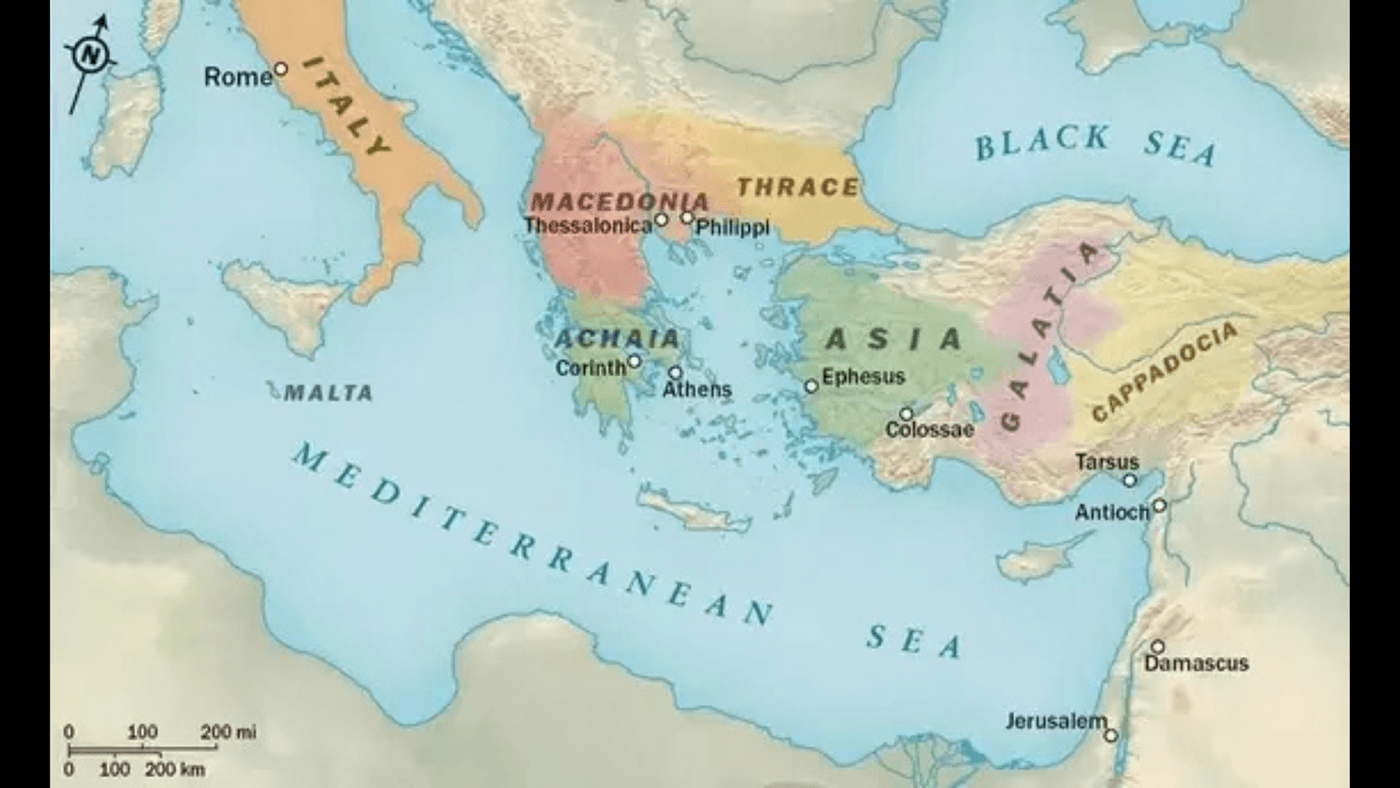
7 so that you became an example to all the believers in Macedonia and in Achaia. 8 For not only has the word of the Lord sounded forth from you in Macedonia and Achaia, but your faith in God has gone forth everywhere, so that we need not say anything. 9 For they themselves report concerning us the kind of reception we had among you,
2. We Are Called to Walk the Talk
1 Thessalonians 1:9
9 For they themselves report concerning us the kind of reception we had among you, and how you turned to God from idols to serve the living and true God,
Acts 3:19-20a
19 Repent therefore, and turn back, that your sins may be blotted out, 20 that times of refreshing may come from the presence of the Lord,
Exodus 20:3, 17
3 You shall have no other gods before me.
17 You shall not covet.
"Covetousness is desiring something so much that you lose your contentment in God. The opposite of covetousness is contentment in God."
-A Battle Against Covetousness is a Battle Against Unbelief by John Piper
Colossians 3:5
Put to death therefore what is earthly in you: sexual immorality, impurity, passion, evil desire, and covetousness, which is idolatry.
“It’s idolatry because the contentment that the heart should be getting from God is coming from somewhere else.
So covetousness is desiring something so much that you lose your contentment in God or losing your contentment in God so that you start to seek it elsewhere.”
"These are almost equivalent commands. Coveting is desiring anything other than God in a way that betrays a loss of contentment and satisfaction in him. Covetousness is a heart divided between two gods. So Paul calls it idolatry."
-A Battle Against Covetousness is a Battle Against Unbelief by John Piper
3. We Are Called to Live in Anticipation
1 Thessalonians 1:10
and to wait for his Son from heaven, whom he raised from the dead, Jesus who delivers us from the wrath to come.
John 14:3
And if I go and prepare a place for you, I will come again and will take you to myself, that where I am you may be also.
Matthew 24:44
Therefore you also must be ready, for the Son of Man is coming at an hour you do not expect.
Luke 12:19, 21
19And I will say to my soul, “Soul, you have ample goods laid up for many years; relax, eat, drink, be merry.”
21 So is the one who lays up treasure for himself and is not rich toward God.
2 Thessalonians 3:10-11
10 For even when we were with you, we would give you this command: If anyone is not willing to work, let him not eat. 11 For we hear that some among you walk in idleness, not busy at work, but busybodies.
Ephesians 2:1-7
1 And you were dead in the trespasses and sins 2 in which you once walked, following the course of this world, following the prince of the power of the air, the spirit that is now at work in the sons of disobedience— 3 among whom we all once lived in the passions of our flesh, carrying out the desires of the flesh and the mind, and were by nature children of wrath, like the rest of mankind. 4 But God, being rich in mercy, because of the great love with which he loved us, 5 even when we were dead in our trespasses, made us alive together with Christ—by grace you have been saved— 6 and raised us up with him and seated us with him in the heavenly places in Christ Jesus, 7 so that in the coming ages he might show the immeasurable riches of his grace in kindness toward us in Christ Jesus.